Tuesday, 13 September 2016

River images


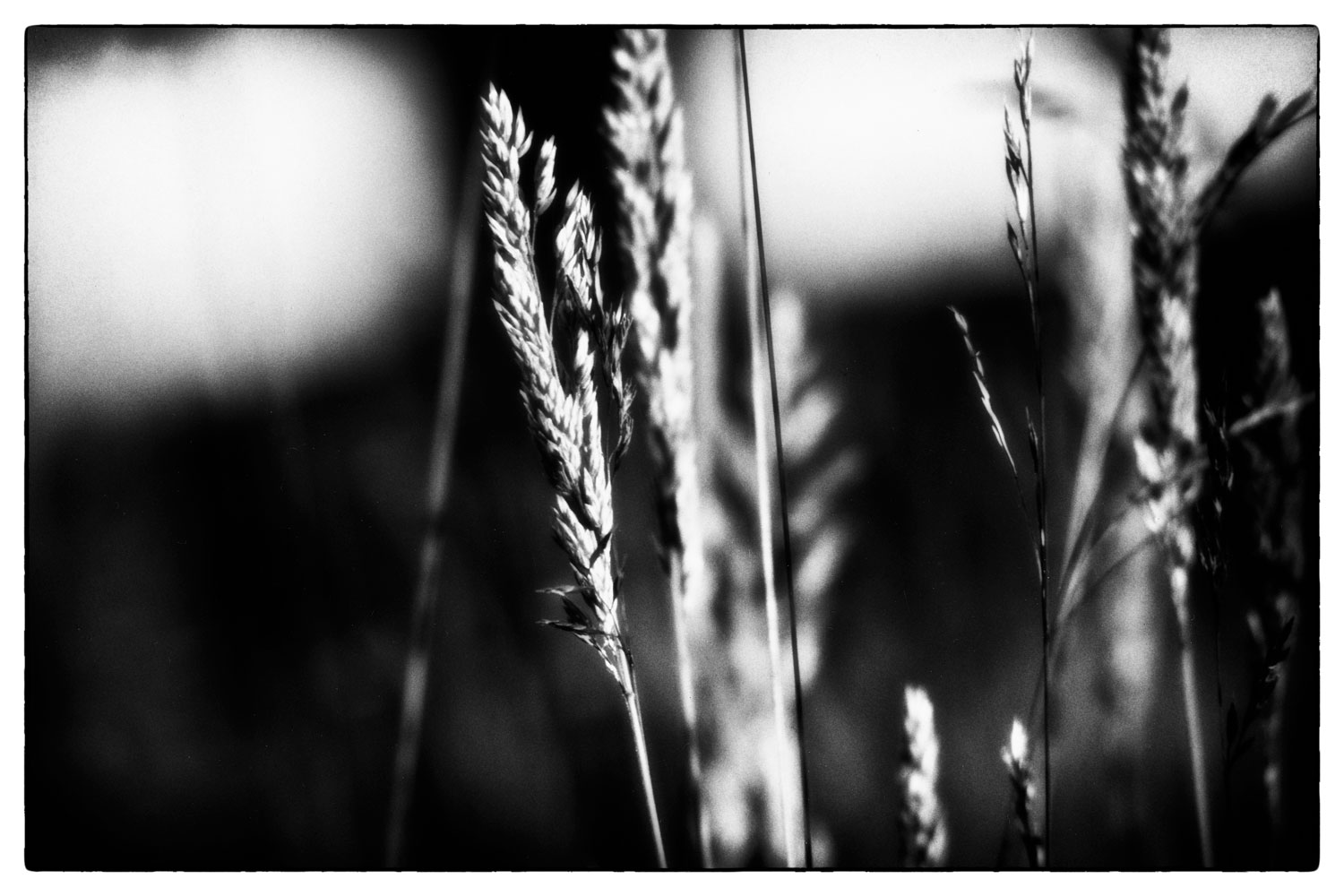
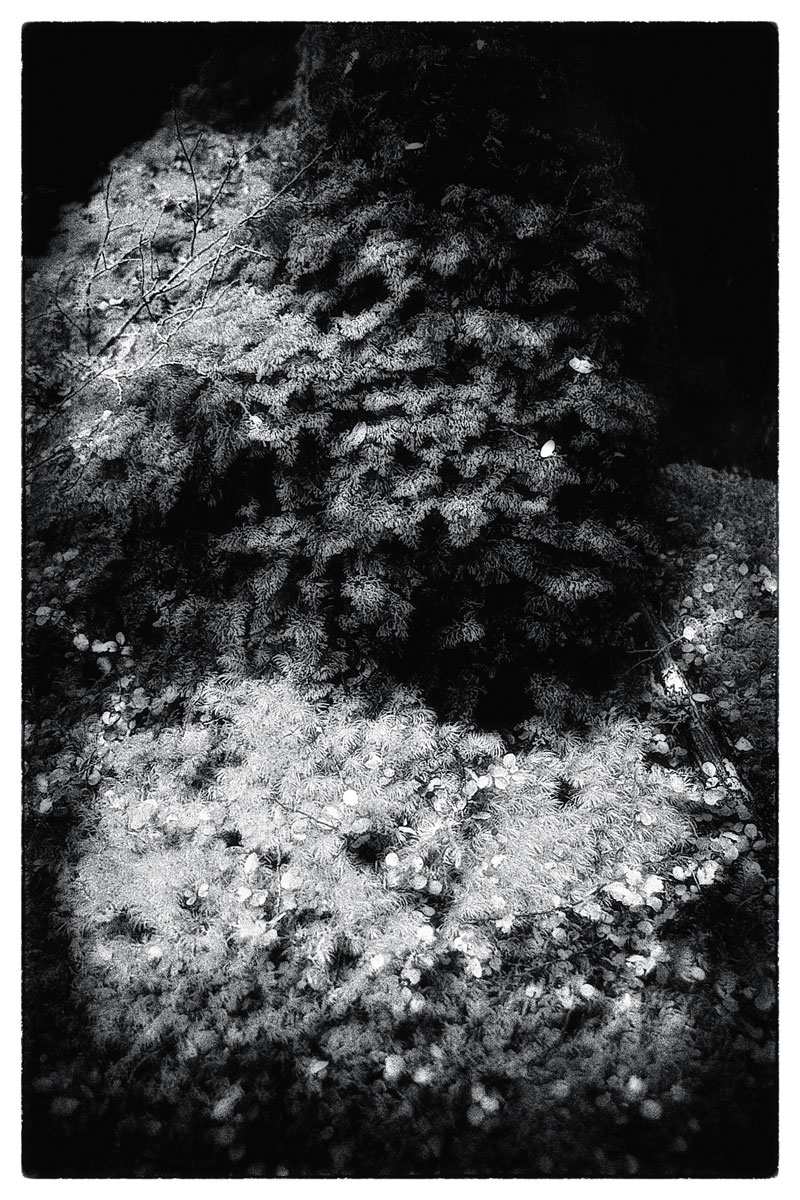
The 28 images from the PhotoAccess exhibition and a selection from the full River series.


Thursday, 8 September 2016

Peter Ranyard's bio for River

Peter Ranyard is a formally trained commercial photographer, fine artist and educator who has maintained a professional arts practice for more than 20 years. He has had extensive experience collaborating on projects in the fine art, corporate, institutional and private sectors in Australia and overseas as well as being a photography teacher and administrator.

“Photographer and historian alike are storytellers who must choose what to include and what to leave out, how close to stand to their subjects, how to frame their tales.”
Martha A. Sandweiss

Most recently Peter has had a solo exhibition Coast at Canberra Institute of Technology in 2012, a two-person exhibition Material Substance and the Lightness of Touch with the ceramicist Sarit Cohen at Form Gallery in 2013, Beneath the Surface at M16 Artspace in 2014 and Impermanence at the Firestation Gallery (Armadale Melbourne) in August 2015. Currently, the solo exhibition River, showing at Huw Davies Gallery at Photoaccess in September 2016 comprises 28 small, richly toned prints. In November 2016 Peter is the curator and member of the exhibition Memoria Platea to be held at M16 Artspace.

Peter has undertaken numerous fine art and commercial commissions and has previously been selected to be included in the Communication Arts Photography Annual.

“The articulate audible voice of the past when the body and material substance of it has altogether vanished like a dream.”
Thomas Carlyle


Saturday, 3 September 2016

River catalogue essay by Hardy Lohse

“How we understand our landscape and our part in it … has a profound influence on how and what we remember and take from our landscape and how we glean meaning from newly encountered places[1].

Peter Ranyard’s work, River (2016), a selection of 28 images - shot on film and carefully manipulated in post-production, evoke a deep sense of longing and a nostalgia for a place we all hold close, but rarely get to.  For some, it may only be an imagined place, for others it is a place of childhood adventures, or hiking trips with best friends or first loves, or perhaps places only consumed through novels and other’s descriptions.  Ranyard allows us to hear the tumbling of the river, to feel the damp of the ferns as they brush against us and to venture into something only able to be experienced once.  The poet, painter and art critic, John Berger, writes of photographs as having the ability to show us what was and what is all at once and Ranyard’s River embodies this, drawing us into the images to pause and imagine what the conditions were really like the moment the shutter was pressed and the image made - each image standing as witness to his experience of the wild, and now, as a record of a moment passed, leaving us yearning for our own journey as we wander from photograph to photograph.  

Ranyard’s images reflect a manageable wilderness, a wild we can escape to, one we can tame just enough to gain an understanding of what lies beyond.  They also present something exotic to most of us – something unseen and not yet experienced, giving us a glimpse of an environment that is ancient and all but untamed by permanent human inhabitation.  The series creates a landscape of imagined memories, one where viewers can see themselves in the photographs, capturing the images and stirring up distant recollections of experiences possibly made into the wild – although we can’t be sure we made them.  Through his mix of aerial, traditional landscape and detailed close up, each carefully composed and heavily manipulated to reveal just enough information, we can sense the rugged environment, the cool climate, the smell of earth and soil and decomposing foliage and overlay our own memories – real or otherwise - on his images.  We are allowed to follow the journey Ranyard made over a number of years to Poronui, an area outside Taupo, New Zealand, almost as if at his side, feeling the isolation and emptiness of the plains, the denseness of the rainforests with the river serving as link to an outside world.  Ranyard employs a deliberate use of dense, deep blacks, diffusion and grain to create distance from direct memory and experience – each manipulation serving as metaphor for our interaction with the environment, just as our memories are often romanticised and almost always selective of any experience.

For most of us, the reality of an adventure to an untouched place seldom matches our imaginations.  However, Ranyard’s images create a space where we can revel in the joy of feeling small in the world, satisfying an urge to be elsewhere and to explore, matching our imaginations with reality.  It goes without saying that the world has changed, just about anywhere in the world is accessible, however, in River, Ranyard reminds us that there are still pockets left untouched - stirring the environmentalist, the explorer and the romantic in us all to go on that journey, to follow that river, to venture into the unknown, to discover the exotic.


[1] Geraldine Mate, Memory: how people remember the landscape, accessed http://www.qhatlas.com.au/essay/memory-how-people-remember-landscape 31 August 2016.

Saturday, 27 August 2016

River-a solo exhibition by Peter Ranyard

The journey taken across the landscape is what allows us to have a connection to place, people and narrative separate from the routine of our day-to-day existence. Remembrance of travel and the interaction with the natural is romanticised and selective. River is a collection of images that explore the links we make to the landscape kept deliberately wild and accessible to only the few. The original images have been re-interpreted to create distance from direct memory.

The images for River were made over a number of years at Poronui, a lodge outside Taupo, New Zealand. Transport to and around the lodge was by plane or helicopter and you feel the isolation and emptiness and also a sense of the unique. Engagement with the river, whether walking, flying, rafting, fishing or riding explores the nostalgia of the wild and is an experience quite different from the urban one.


The images are all film-based, scanned and manipulated to create a body of work that interprets our deep memories and the way the brain is selective in editing our recollection. The images reference photographers such as Francis Frith and the 19th century age of the travel photographer, traditional printmaking and the Genesis series of images by Sebastiao Salgado. This series is on a far more intimate scale, both in the geography but also the image size. There is a deliberate use of dense, deep blacks, diffusion and grain. While photographers such as Frith set out to document the human element and the built environment this series is reverential for the natural.


"Therefore, our world-view – how we understand our landscape and our part in it, impacted by our personal experience – has a profound influence on how and what we remember and take from our landscape and how we glean meaning from newly encountered places."

Geraldine Mate